
Each year, thousands of serious injuries, including deaths, linked to dangerous drugs are reported to the FDA. When a drug manufacturer's negligence caused these injuries, we have a proven track record of standing up for the people victimized by these dangerous drugs.
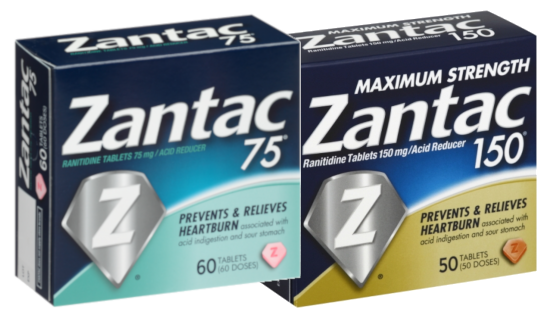
We are currently investigating claims for those who have a history of taking Zantac® or generic ranitidine and were diagnosed with cancer of the stomach, breast, bladder, small intestine, colon/rectum, esophagus, prostate, pancreas, or kidneys, or with leukemia, Non-Hodgkin’s lymphoma, or multiple myeloma. On September 13, 2019, the U.S. Food and Drug Administration (FDA) released a statement alerting patients and health care professionals about the discovery of the presence of a contaminant, the human carcinogen N-nitrosodimethylamine (NDMA) in samples of ranitidine commonly known as the brand-name drug Zantac®. On April 1, 2020, The U.S. Food and Drug Administration announced it was requesting that manufacturers withdraw all prescription and over-the-counter (OTC) ranitidine drugs from the market immediately.

We are currently investigating claims for those who have taken Valsartan after January 1st of 2015 and subsequently been diagnosed with liver cancer, stomach cancer, colorectal cancer or suffered an acute liver injury requiring hospitalization. In 2018 the FDA announced a voluntary recall of several medications that contain valsartan. The recall was initiated after the discovery of the presence of a contaminant N-nitrosodimethylamine (NDMA) in the recalled drugs. NDMA is classified as a probable human carcinogen which means that it is more likely than not to cause cancer in humans.
Even more, during this time of struggle to settle my case for me, you treated me with kindness and a real caring attitude. Your sincerity was always evident in your words and actions. Any good lawyer can handle a case and possibly win. It takes a very special person to handle a difficult case successfully, and at the same time make your client feel that you care about them as individuals.
- Sharon Faye