
Whether due to design, manufacturing or inadequate warning defects, these products can cause serious injury and death. We represent people and families who have been harmed by defective products.

We are currently investigating and evaluating potential cases where women, with a history of using talc-containing Johnson’s® Baby Powder and Shower to Shower® Body Powder, were diagnosed with ovarian cancer. Scientific studies and the World Health Organization have identified an association between long-term genital use of talc-containing powders and ovarian cancer.

Mesothelioma is a rare form of cancer caused almost exclusively by exposure to asbestos. Prior to 1980, before asbestos was widely banned in many locations, workers in a variety of industries and in all branches of the military were unknowingly exposed to asbestos while performing their job functions. Decades later, many of them have been diagnosed with mesothelioma. We are currently investigating and evaluating potential mesothelioma cases for those affected by the disease.
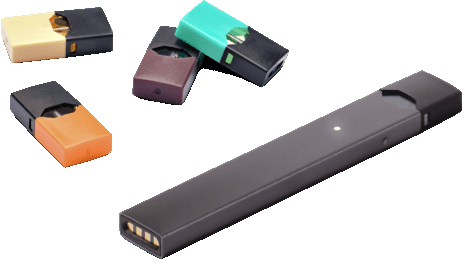
In a recent warning, the U.S. Surgeon General reported that between 2011 and 2015, e-cigarette use in high school students rose 900 percent and in 2018, 20.8% of high school students used e-cigarettes. Of all e-cigarettes on the market JUUL is the most popular, seeing a 600% increase in sales during 2016-2017 and making up nearly 60% of the market. At 5% nicotine by volume, a JUUL cartridge, or pod, can have over twice as much nicotine as other competitors’ cartridges. Nicotine and other chemicals present in the JUUL devices are known to have negative side effects in users, especially in young people. We are currently accepting potential claims against the makers of JUUL e-Cigarettes by users who have suffered from seizures, stroke, lung problems (including Bronchiolitis obliterans) and/or cardiovascular problems after using JUUL vaping devices.
Thank you Ron, for allowing me the formal platform to publicly say what happened to me in the early 1970’s. It may have not been the “jury of my peers” but it was a group of respected professionals who verbally confirmed to me that what “may have” happened… “it was not my fault”. I will say that I am now at a different place in my head; maybe starting to feel closure? When we initially communicated, I had no idea I would be writing this email. Please forgive my delay in expressing my appreciation to you for your guidance and support in this extremely difficult realization of my past. Judge [name redacted] stated that you were true advocates for the abused, and he is so right. If you can, please extend my deepest appreciation to Judge [name redacted] for his kindness and wisdom. Please continue to assist lost souls like myself. May you and your family be safe and healthy.
- A Client-Survivor of Childhood Sexual Abuse